The Charity-Rail Edit: Kidswear That Looks Cute on Purpose, Not Just Cheap
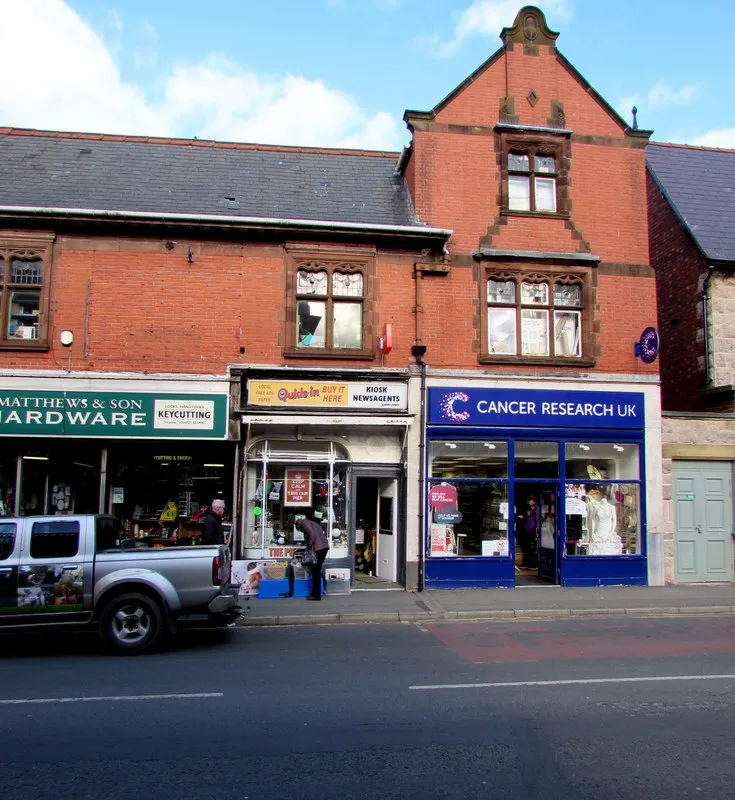
Photo: Jaggery , CC BY-SA 2.0, via Wikimedia Commons
Charity-shop kidswear has a reputation problem. People picture a rail of faded pink sleepsuits, one missing popper and a suspicious stain near the neck. Fair enough. Some rails are exactly that. But the good charity shops are also full of Boden pinafores, Frugi leggings, Petit Bateau vests and JoJo Maman Bébé dungarees that have been worn twice, washed once and priced at £2.50. The trick is not to buy more because it is cheap. The trick is to buy better because it is there.
Second-hand should not look like hand-me-down. It should look like you found something excellent and styled it on purpose. Here is how to do it without turning your child into a walking jumble sale.
Start with the label, not the price
A £1 top that pills after one wash is not a bargain. A £4 Frugi top that survives two children and a nursery year is. Learn the labels worth scanning for: Frugi, JoJo Maman Bébé, Polarn O. Pyret, Petit Bateau, Mini Boden, Boden, Zara Kids, Next, M&S, Gap Kids and good old TU. These are not the only labels that matter, but they are a useful shorthand for fabric quality and sensible cuts.
Look at the fabric before the print. Cotton jersey, corduroy, merino blends and proper denim all age better than thin acrylic. Stretch the seam gently. If it feels papery or scratchy, put it back. If the colours are still strong and the shape has held, it is worth a closer look.
The two-minute check that saves a lot of regret
Hold the piece up to the window or under a phone torch. Stains hide in the neckline, cuffs, crotch, underarms and hem. Raking light is your friend. Check the poppers, zips and buttons. A missing button is fixable; a broken zip on a pramsuit is usually not worth the bother.
Then think about safety. Loose ribbons, long drawstrings, unravelling seams and broken toggles are not worth the risk. Sleepwear should not have loose trims or oversized fits that could ride up. If a piece fails the safety check, leave it on the rail, even if it is the cutest thing you have seen all week. Cute is not a reason to compromise on buttons that come off in a baby's mouth.
Sizing is the other trap. UK labels are inconsistent, European sizes are different again, and childrenswear shrinks. Compare the charity-shop piece to a favourite item at home. Check the length of the leg and the width of the waist. Do not buy three sizes too big because it was cheap. A too-big baby is not a stylish baby; it is a baby wearing a tent with legs.
Freshening up without fuss
Most charity-shop kidswear just needs a proper wash. Check the care label, wash at 30 or 40, and use a decent stain remover on collars and cuffs. Oxygen bleach is useful for whites; sunlight is surprisingly good at fading mild stains. A cup of white vinegar in the rinse can help with mustiness. A fabric shaver will sort pilling on cardigans and joggers.
Replace missing buttons. Sew up a small seam. Add an iron-on patch over a stubborn mark if the patch is genuinely cute rather than a cover-up. Do not dye anything unless you are fully committed to the outcome. And do not spend hours restoring a 50p vest. Your time has value too.
Styling so it looks intentional
The secret to second-hand style is contrast. Pair one good found piece with plain modern basics. A vintage corduroy pinafore looks fresh over a simple striped bodysuit and navy leggings. A Breton top from the charity rail looks modern with plain joggers and a bright sock. An oversized cardigan looks deliberate with slim leggings; it looks accidental with oversized everything.
Pick a tight colour story. Navy, cream, rust and forest green will mix across labels and decades. Roll the cuffs, tuck the hem, layer a plain vest underneath. Avoid dressing your child head-to-toe in one era. One charming piece is enough. Two is a costume.
Accessories help. A bright beanie, a simple canvas shoe, a plain cross-body bag for the parent and a clean pram blanket all make second-hand clothes look like a choice rather than a compromise. The aim is cheeky, not shabby.
Where to look in the UK
Local hospice shops are often the best-kept secret, especially in wealthier suburbs where the donations are good and the pricing is still sensible. Barnardo's, Oxfam, British Heart Foundation, Scope and Sue Ryder shops are worth regular visits. Church halls, school fairs and NCT sales are goldmines if you can get there early. Ask staff when new stock goes out; many shops restock on weekday mornings.
Go often, buy little, and be picky. The charity rail rewards patience. One excellent find beats a bag of maybes. And if it does not wash well, fit well or feel safe, it goes back. That is not being fussy. That is how you build a second-hand wardrobe that looks like Cheeky Cherub on purpose.