Splat, Snap, Repeat: Dressing a Baby for the Messy Business of Weaning
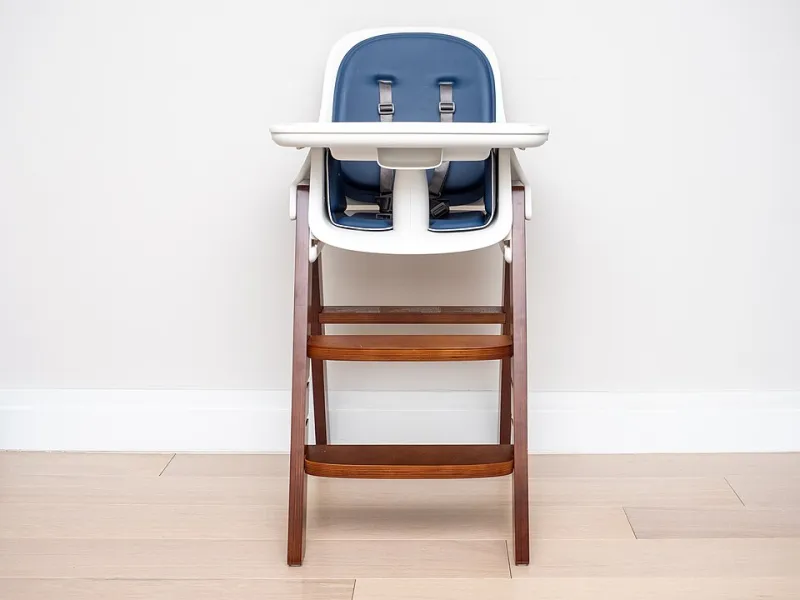
Photo: ajay_suresh, CC BY 2.0, via Wikimedia Commons
Weaning has a dress code, and it is not the one you planned. Between the first spoon and the first birthday, a baby’s outfit has to survive porridge, yogurt, toast fingers, beetroot and the sort of high-chair tantrum that makes you reconsider your life choices. It also has to look sweet enough for the grandparents group chat. The answer is not a stain-proof fantasy. It is a small, sensible weaning wardrobe that can be washed hot, photographed well and pulled on without a fight.
Start with fabric that forgives
The first rule is simple: nothing precious near a bowl. Cotton jersey, muslin, terry towelling and easy-care blends are your friends. They move with a baby, wash without a drama and do not demand ironing at 7pm. Delicate fabrics, raw linen and anything with a big stiff collar can look adorable on a hanger, but they are not built for a spoon heading towards a cheek at speed.
Wipe-clean fabrics have their place, especially for bibs and smocks, but a full wipe-clean outfit can feel sweaty and stiff for a long day. Use them as armour over the cute layer, not as the whole plan. In 2026, the best weaning clothes are the ones that look like normal baby clothes but behave like something you can rinse in the sink.
Build a high-chair capsule, not a full wardrobe
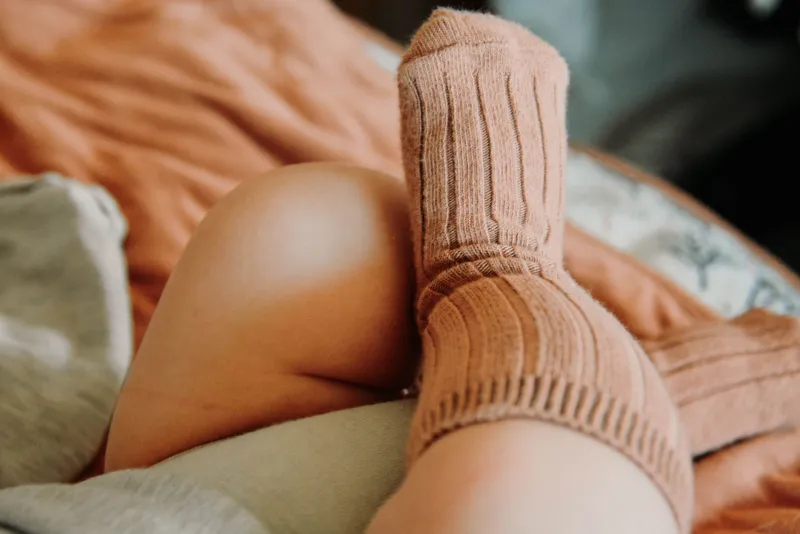
You do not need twenty outfits. You need a tiny rotation that works hard. Think five short-sleeve bodysuits, three long-sleeve tops, three leggings or joggers, two sleepsuits for backup, one lightweight smock, two bibs with a decent catch pocket and one clean outfit that lives in the changing bag. Add a cardigan for the pram and a pair of socks that are not white.
The capsule idea matters because weaning is repetitive. If you find a vest that washes well and looks cute under a bib, buy it in two colours and stop thinking. The same goes for leggings: dark ground, forgiving waistband, no complicated fastenings. A baby does not need a fashion collection. They need a uniform that lets them get on with the important business of smearing yogurt on their eyebrows.
Prints are not a cop-out
A busy print is one of the most practical choices you can make. Small stripes, gingham, animal prints and irregular shapes all break up the visual impact of a stain. A tiny floral on a dark ground will hide a lot of porridge. A plain pale yellow babygrow will not. That does not mean you have to dress your baby like a wallpaper sample. Choose prints with a clear colour palette and a bit of breathing space, and they will still look lovely in photos.
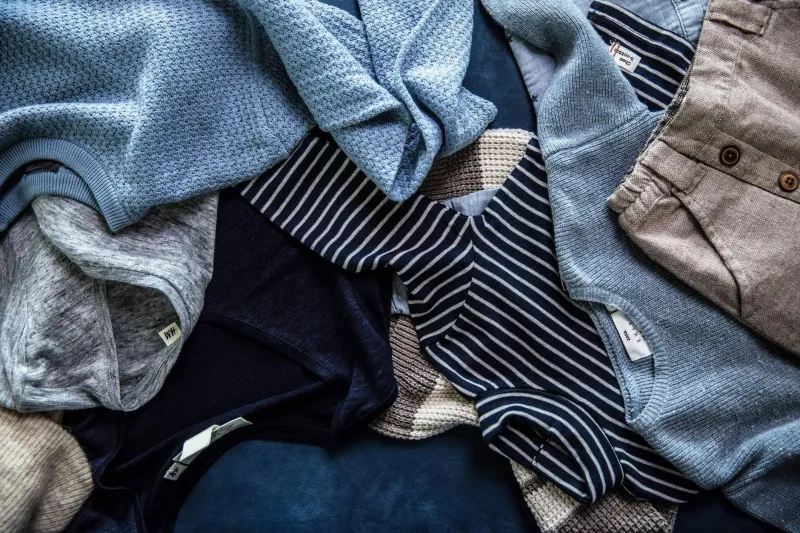
If you want the camera roll to look considered, pick two or three colours and let the prints and plains mix. Oatmeal, navy, sage, rust and a soft blue are all forgiving without being gloomy. Beetroot will still find them, but the evidence will be less dramatic.
Sleeves, bibs and the roll-up factor
Long sleeves are useful in a British kitchen, but they need to roll up easily. Tight elastic cuffs and fiddly frills are a trap. A bib with sleeves and a catch pocket is the real hero of the weaning wardrobe, especially for pasta, yogurt and anything orange. Keep one bib hanging by the high chair and one in the changing bag, because the day you forget it is the day the cafe serves tomato soup.
Smocks are worth trying once your baby is sitting confidently. They cover more of the outfit and can be rinsed and hung to dry. Look for a soft, flexible fabric and a fastening that does not require a degree in engineering. If your baby hates a smock, a sleeved bib over a simple vest is a perfectly good compromise.
The photo edit is part of the plan
There is no shame in dressing for the grandparents group chat. Do the cute photo before the bowl arrives, or keep a clean cardigan and a muslin nearby for a quick reset. A plain muslin draped over the high-chair tray can make a chaotic kitchen look calmer in the background. A clean bib with a small print looks intentional. A baby in a vest and a giant bib looks like a baby in a vest and a giant bib, which is also a valid aesthetic.
The best photos are not the ones with no mess. They are the ones where the outfit still looks like something you chose. A simple bodysuit, a pair of leggings and a bib that fits properly will always photograph better than an elaborate outfit that has been dragged through a bowl of porridge.
What to skip, at least for now
Skip anything with a hundred press studs, scratchy wool, trailing ribbons, oversized collars and pale socks. Skip outfits that have to be hand-washed. Skip the idea that you need a separate look for every meal. And skip the pressure to keep everything pristine. Weaning is messy by design. The goal is not to avoid the splats. The goal is to have a wardrobe that can handle them, wash up well and still make you smile when you scroll back through the camera roll.
A sensible 2026 weaning edit
If you are starting out, keep it small: five vests, four tops, three bottoms, two sleepsuits, two sleeved bibs, one smock and one clean backup outfit. Choose forgiving fabrics, prints that do some of the work and fastenings you can manage one-handed. Add a cardigan for the pram and a wet bag for the changing bag. That is enough. The beetroot will come anyway, but at least the outfit will earn its place.