The Quiet Layer: Why a Good Baby Vest Makes Every Outfit Better
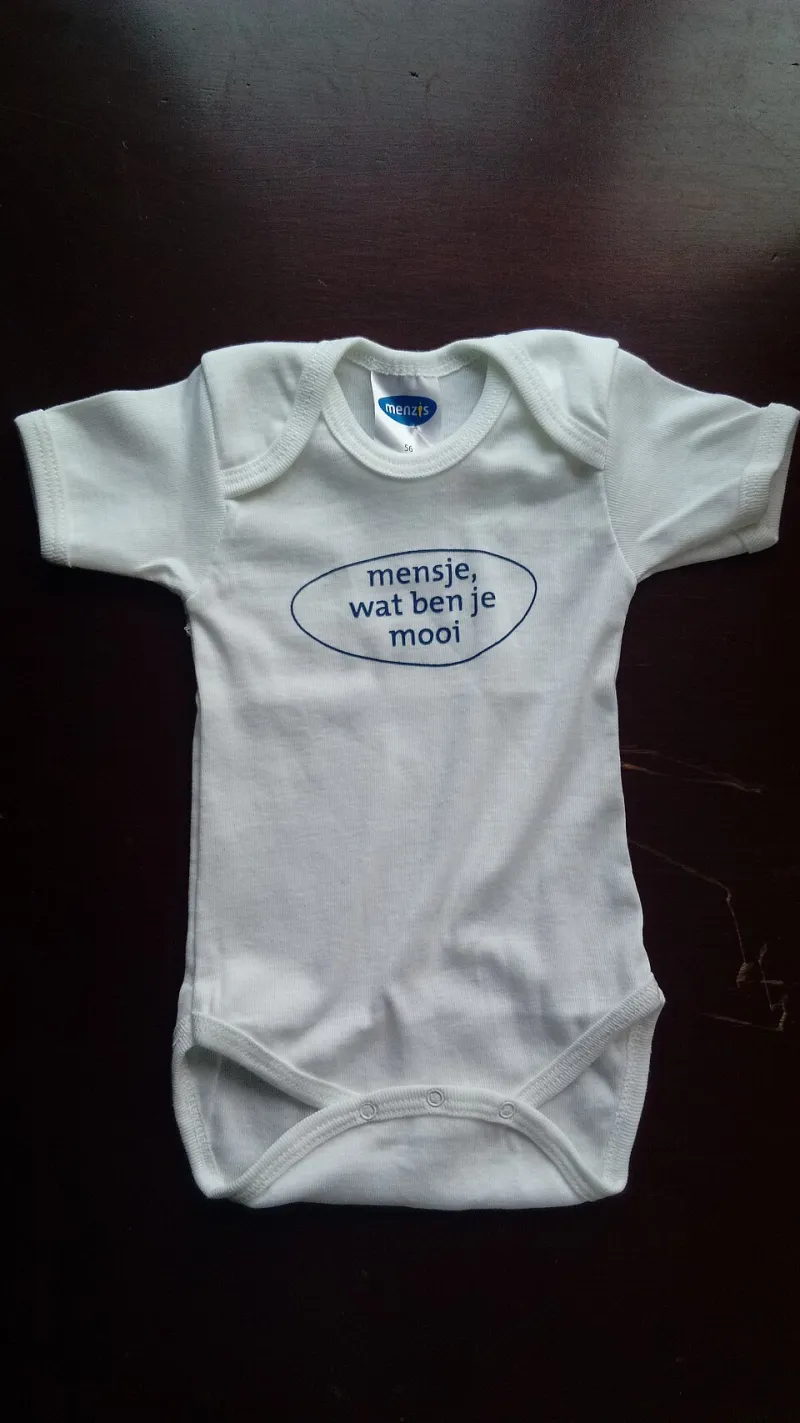
Photo: Donald Trung Quoc Don (Chữ Hán: 徵國單) - Wikimedia Commons.(Want to use this image?), CC BY-SA 4.0, via Wikimedia Commons
As November 2026 settles into its damp, dark groove, the changing bag gets more crowded, the pram gets more layered and the nursery run gets more complicated. In the middle of all that, one piece quietly does more work than anything else in the drawer: the baby vest. It is not the photogenic bit. It is not the thing relatives coo over. But get the vest right and suddenly the dress sits properly, the dungarees stop bunching, the cardigan has something tidy to glide over and the whole outfit looks like it was planned rather than survived.
The layer nobody photographs
A baby vest is the underwear of the little-one wardrobe, which is exactly why it matters. It is the first thing against the skin, the first line of defence against a leaky nappy, the thing that catches milk dribble and the piece that makes a thin cotton dress wearable in a British spring. It also sets the tone for comfort. If the vest twists, rides up or digs in, no amount of cute corduroy is going to rescue the morning.
The useful shift is to stop treating vests as a bulk buy afterthought and start treating them as the foundation of an outfit. That does not mean spending a fortune. It means noticing the details that make one vest behave better than another: where the poppers sit, how the neck opens, how heavy the fabric feels and whether the fit leaves room for a nappy without looking like a sack.
Poppers are a design language
Poppers look simple until you are changing a baby on a cold bathroom floor with one hand and a wet wipe in the other. A good popper placement is generous and flat. It should line up without a fight, sit smoothly against the nappy area and stay closed through a wriggle. Three poppers across the crotch are common, but the spacing matters more than the number. If they are too close together, the vest pulls; if they are too far apart, it gaps.
For younger babies, a wide, flat popper panel is a small mercy. For older babies and toddlers who are pulling up, climbing and generally treating the changing table like a launchpad, check that the poppers are reinforced rather than just attached to a thin strip of fabric. This is the sort of detail that does not show up in the first photograph but absolutely shows up by bath time.
Envelope shoulders: the quiet genius
The envelope neck is one of those baby-clothes inventions that deserves more credit. Those overlapping shoulder flaps let you pull a vest down over the body rather than over the head, which is useful when the vest is clean and even more useful when it is not. A good envelope neck has enough stretch to open wide without losing its shape. If it feels stiff or snaps back too quickly, it will be a faff.
This is also where sizing gets interesting. A vest that is too small will fight the envelope neck and leave red marks. A vest that is too big will slide around, bunch under outfits and let cold air in at the back. The sweet spot is snug but not tight, with the neck opening stretching easily over the head and the body sitting flat against the nappy.
Weight matters more than you think
In the UK, a baby vest has to handle central heating, a chilly pram, a warm car and a supermarket queue all before lunch. That is why fabric weight matters. A thin, flimsy cotton vest is fine for summer or for layering under a sleepsuit, but it can feel clammy in winter. A heavier cotton or a cotton-rich blend gives a bit more structure and warmth without bulk.
For the colder months of 2026, a long-sleeve vest with a modest weight is the practical workhorse. It sits neatly under knits, dresses and dungarees, and it means you can add or remove a cardigan without stripping the whole outfit. Thermal vests have their place for genuinely cold days, but they can be overkill indoors. A mid-weight cotton vest plus a sensible outer layer is usually the better British compromise.
Fit under dresses, dungarees and the winter pile-up
A vest should make the outfit easier, not harder. Under a dress, a short-sleeve vest keeps the shape simple and stops tights or leggings from rubbing. Under dungarees, a long-sleeve vest gives a clean neckline and a bit of warmth without adding bulk at the shoulders. Under a winter cardigan or pram suit, a smooth, flat vest means fewer lumps and less chance of the whole thing twisting.
One small styling note: if the vest is going to be seen, keep the neckline and poppers tidy. A vest that peeks out should look intentional, not like it escaped from the wash basket. A plain colour, a neat envelope neck and a flat popper panel do more for the overall look than a slogan or a novelty print. Cute is easier when the basics are calm.
A sizing note for real British homes
Ignore the age on the label more than you would like to. Babies do not read the size chart. Go by weight first, then length, then the actual fit around the nappy. A vest should not leave marks on the shoulders or thighs, and the poppers should not pull. If you are between sizes, size up for sleep and down for under-outfit neatness, but always check the neck opening. A vest that is too big at the neck will slip and look scruffy under a dress.
It also helps to keep two sets of vests: one for everyday nursery runs and one slightly nicer set for under dresses, family visits and the sort of outfit that might end up in a photograph. They do not need to be expensive. They need to fit properly and wash well.
The wash-test that separates keepers from clutter
Wash a new vest at 30 degrees before you commit to a drawer full of them. Check three things afterwards: whether the poppers still sit flat, whether the envelope neck has kept its shape and whether the seams have gone wavy. A good vest survives a few washes without going limp. Avoid fabric softener, which can make cotton feel slick and reduce stretch, and skip the tumble dryer if you can. Line-drying or airing keeps the shape better.
The wash test is also a useful way to spot the vests that are going to annoy you. If the poppers are fiddly when new, they will be worse when you are tired. If the neck twists after one wash, it will twist every time. Better to find out with one vest than with a whole drawer.
Cute-but-sensible picks for pram hours
For everyday British weather, look for long-sleeve cotton vests with flat seams and a generous envelope neck. M&S and John Lewis are reliable for plain, well-priced multipacks, while Next and H&M often do nice ribbed options that sit neatly under dungarees. For a slightly more polished layer under dresses, a short-sleeve vest in a soft cotton-rich fabric is the practical choice. For cold pram hours, a mid-weight thermal vest is useful, but keep it for genuinely chilly days rather than everyday indoor wear.
The best pick is the one you reach for without thinking: plain, soft, easy to fasten and sturdy enough for the third wash of the week. That is the quiet engine of a cute outfit. The dress gets the compliment, but the vest keeps the morning moving.