Pants in the Boot, Dignity Intact: A Toilet-Training Wardrobe That Still Looks Like Them
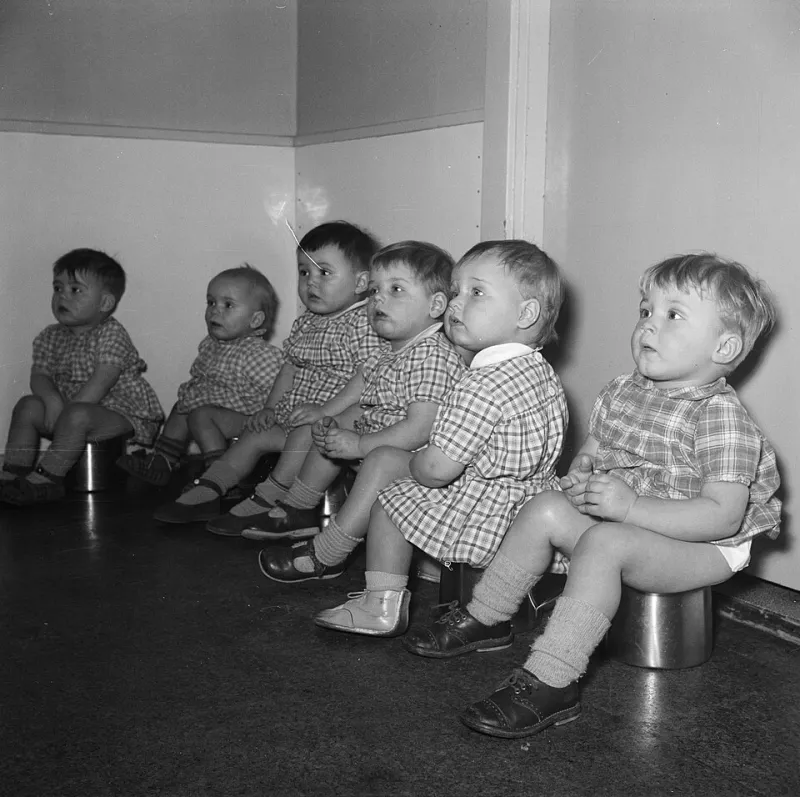
Photo: Willem van de Poll, CC0, via Wikimedia Commons
Toilet training has a way of rearranging your entire wardrobe. One week you are dressing a toddler who can be trusted in corduroy, the next you are crouched in a supermarket loo with a packet of wipes and a look of quiet panic. The clothes have to work harder now. They need to come down fast, go back up without a fight and survive the sort of afternoon that involves a soft-play slide, a missed cue and a spare pair of pants in the boot.
But here is the thing: practical does not have to mean beige. The stretch of toilet training is still part of your child’s style story. They are still the same small person who likes the dinosaur jumper, the red boots, the sparkly hair clip. The aim is not to dress them like a miniature hospital patient. The aim is to build a little wardrobe that can handle the chaos and still look like them.
Start with the bottom half, not the cute top
It is tempting to begin with the lovely jumper. Resist. During toilet training, the bottom half is doing the heavy lifting. Elasticated waists are your friend, but not all elastic is created equal. Look for soft, flat waistbands that sit comfortably and come down without a wrestle. Jersey leggings, pull-on trousers, loose dungarees with poppers down the legs and simple cotton shorts all earn their place. Avoid anything with fiddly buttons, tight belts, stiff denim or a waistband that needs a degree in engineering.
Skirts and dresses can absolutely stay in the mix, but think of them as layering pieces. A cute pinafore over leggings is easier than tights and a party dress when you are working against the clock. In the colder months, a soft jersey dress with a pair of pull-on leggings gives you the look of an outfit without the rigmarole. If your child loves a particular dress, let them wear it. Just make sure what is underneath is quick to deal with.
The three-piece rule that saves the day
A useful formula for this season is three pieces: a simple base layer, a quick-change middle layer and a top layer that can be removed in a hurry. The base layer might be a vest and leggings. The middle layer could be a loose sweatshirt or cardigan. The top layer is the coat, puddle suit or zip-up hoodie that can be ditched by the door when you get home.
The magic is in the middle layer. If the worst happens, you can often deal with it by swapping one piece rather than undressing the whole child in a chilly toilet cubicle. A zip-up hoodie is easier than a pullover. A cardigan is easier than a jumper. A loose sweatshirt with a wide neck is easier than a fitted top. These are tiny design details, but they make the difference between a calm change and a full-scale negotiation.
A nursery kit that doesn’t look like lost property
Nursery will ask for spare clothes, and rightly so. The trick is to pack a kit that is genuinely useful, not just a bag of oddments from the back of the drawer. Two full outfits are better than five random tops. Include one pair of pull-on trousers or leggings, one pair of pants, one pair of socks, one vest and one top. Add a wet bag for the soiled things, because a plastic carrier bag will always leak at the worst possible moment.
Keep the spare kit cute, too. It does not have to be nursery-uniform plain. A bright pair of leggings and a simple striped top take up the same space as a tired old pair of joggers. Label everything, including the wet bag. Nursery staff are brilliant, but they are not mind readers, and a named bag means your child’s spare pants come home with them rather than joining the communal graveyard of unclaimed socks.
Keep a bit of them in the emergency bag
Your changing bag, car boot or pram basket is about to become a small branch of the wardrobe. Alongside the wipes, pants and spare trousers, put in one thing that feels like a treat. Not a bribe, just a small piece of identity: a favourite hair clip, a soft cap, a little cardigan in their best colour. When you are doing a roadside change or a quick swap at a birthday party, that small familiar thing can help them feel less like they are being reassembled in public.
It also helps you. Toilet training is oddly emotional. There is a lot of cheerleading, a lot of laundry and a fair amount of pretending you are not bothered about the fifth accident before lunch. Having a spare outfit that you actually like makes the whole thing feel less like a crisis and more like a slightly messy ordinary day.
What actually earns its place
The best pieces for this stage are the ones that do not announce themselves as toilet-training clothes. Plain jersey leggings in a good colour. Pull-on trousers with a soft waist. A sweatshirt that goes over the head without a fight. A zip-up fleece for the pram. A dress that can be lifted rather than pulled. And a pair of shoes that can be kicked off quickly, because nobody needs laces when they are hovering outside a public loo with a toddler doing the urgent dance.
For winter, think about a puddle suit with a full leg zip. It is not glamorous, but it is brilliant. A long coat that stops at the waist is easier than a full-length style when you are helping with pants. And a little rucksack or tote for your child’s spare kit can make them feel involved rather than managed.
The honest bit about laundry
You will do more laundry than you think. That is not a failure; it is the stage. Keep a small stack of go-to outfits ready and do not save the nice things for best. This is exactly when the nice things should be worn. A cheerful pair of leggings and a soft jumper will still look lovely after a quick wash, and they will make the fourth change of the day feel a bit less grim.
Toilet training is not a styling problem to solve. It is a wobbly, funny, slightly damp few months. Dress for the wobble. Keep the emergency pants in the boot. And let the outfit still look like them, because that is the whole point.